WHY SAFETY MATTERSCONTACT
ALL SERVICES

[ SERVICE \ 003 ]

VR TRAINING.

IMMERSIVE SAFETY SIMULATIONS.

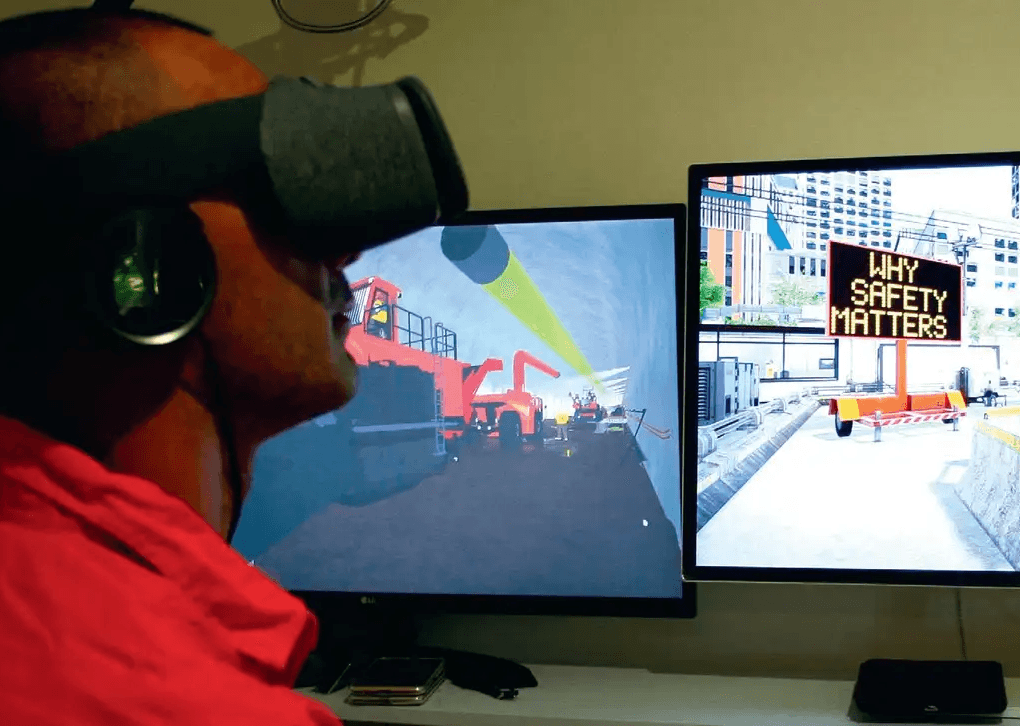
Virtual reality simulations developed in partnership with XRJV-Training, designed and tested with Dallas's wife Jess Lelievre. Workers step inside high-risk tunnel and underground scenarios without exposing them to actual danger, learning to recognise hazards, slow momentum, and make better calls under pressure.

VR TRAINING

[ WHY THIS WORKS ]

Why VR works where slide decks don't.

Traditional safety training relies on people imagining the situation, often after a long shift, in a room with a beamer and a printed handout. The take-up rate is poor, and the recall is worse. VR puts the worker inside the scenario. They see the hazard, feel the moment, make the call, and watch what happens. The brain stores it like a real memory. Built like a game so more interaction creates more learning. Sessions are designed for 15 to 20 minute runs because longer than that, motion sickness creeps in. High-quality graphics keep that risk low.

[ WHY DALLAS RESONATES ]

WHAT MAKES THE
ROOM LISTEN.

Four reasons crews, supervisors, engineers, and CEOs all hear the same message in the same room.

  • 01

    Lived experience, not theory

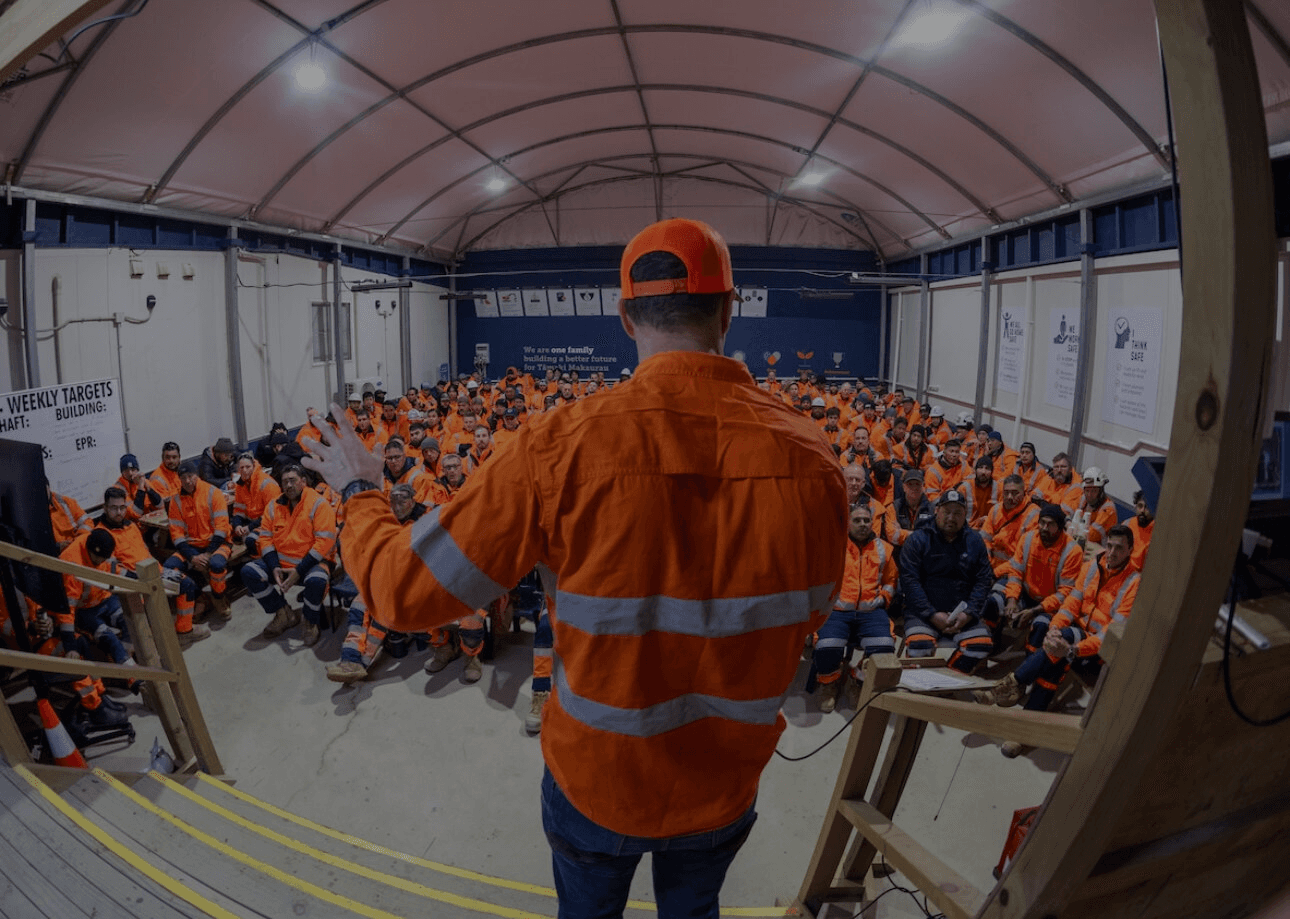
    Dallas lost both his father and his older brother to workplace incidents. He has 25+ years across underground mining, tunnelling, electrical trades, and safety. The story is the room.

  • 02

    Spoken to the people, not at them

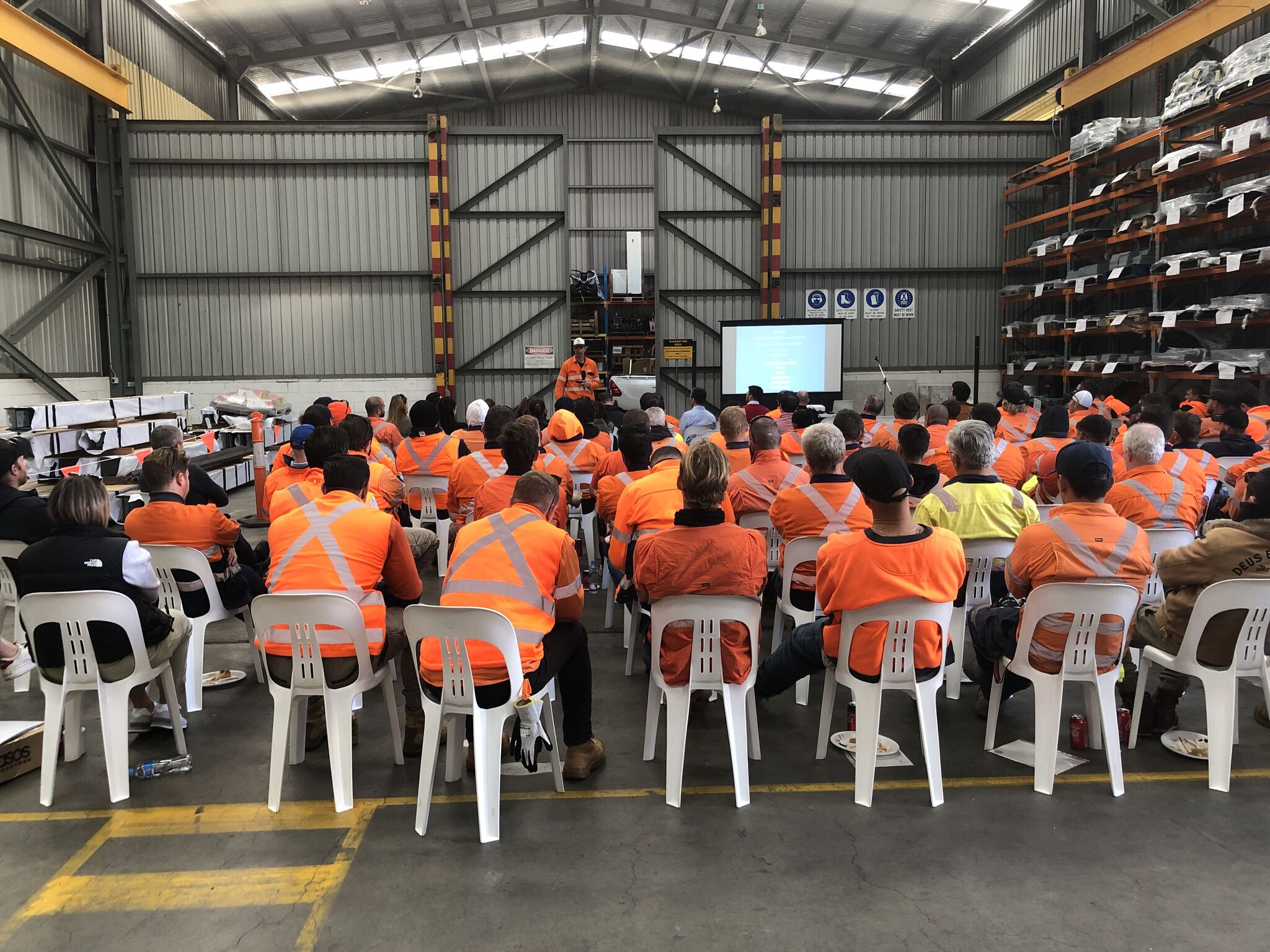
    Sessions are run as human conversations, not lectures. Crews recognise themselves in the language and the silences. Pressure, momentum, fatigue, peer pressure are named without judgment.

  • 03

    Bridges leadership and the frontline

    Safety culture lives in the gap between leadership intent and frontline reality. The same session is delivered to crews, supervisors, engineers, and CEOs, and lands with each of them differently.

  • 04

    Built to last past the room

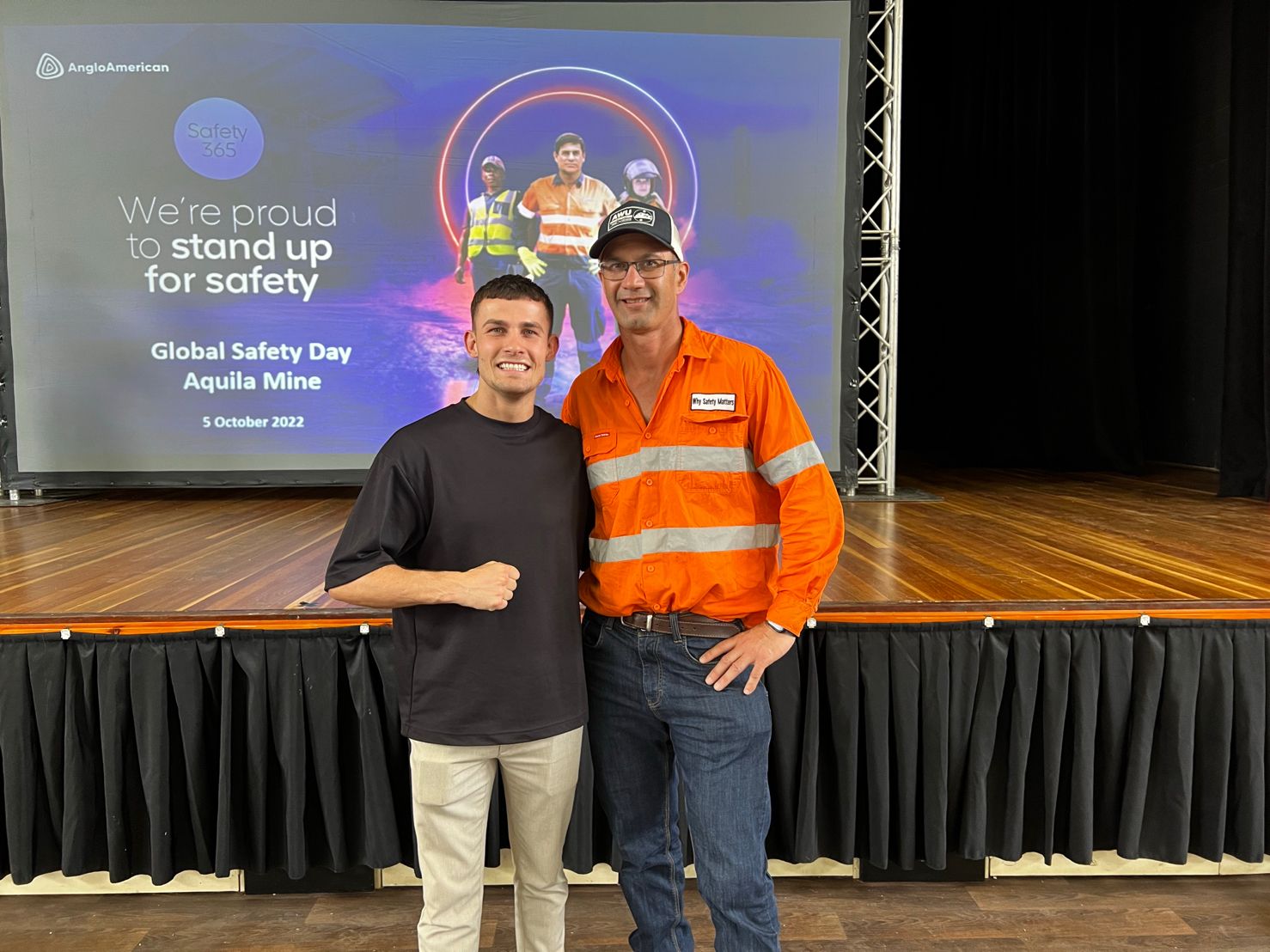
    Workers reference the stories weeks afterwards. Engineering teams have seen Dallas present four or more times across different projects, and the message keeps being shared and lived.

[ CASE STUDIES ]

WHERE THIS HAS
ALREADY LANDED.

Selected projects and engagements. More documented in latest news and across the team's LinkedIn.

XRJV-Training

Australia

VR safety simulation development

[ THE BRIEF ]

While consulting on a major project, Dallas worked with engineers to translate his sporting background in video sessions and simulation training into an underground safety-training environment. The VR program was co-developed with his wife, Jess Lelievre, designed to engage blue-collar workers more effectively than traditional methods.

[ THE OUTCOME ]

Proved cheaper and more efficient than traditional training. Sessions could be conducted in rooms rather than requiring access to live tunnels. The simulation was designed like a game, so more interaction creates more learning, and reaches a much larger group of people than a physical training site ever could.

I found VR was the best way to help individuals, because they can be exposed to a tunnel environment and learn what can happen if they are confronted with hazards or risks in a safe simulation, without being in physical danger.
Dallas Adams

Cutting Edge 2025 audience

Norfolk, Virginia, USA

Roadheader case study, presented in keynote

[ THE BRIEF ]

Footage of a Mitsui Miike roadheader, an example of overhauled Australian-engineered machinery, was used as a live example of SEM tunnelling and best-practice work in the WSM keynote.

[ THE OUTCOME ]

Reinforced the link between equipment quality, real footage, and the human cost of getting it wrong. The kind of moment VR training extends across an entire workforce, not just the people lucky enough to attend a conference.

[ BEST FOR ]

  • New tunnellers and underground crews during induction
  • Toolbox refreshers when a job has become routine
  • Supervisor training where reading conditions is the skill
  • Site induction series for large workforces

[ WHAT'S INCLUDED ]

  • VR headset hardware setup at your site or office
  • Tunnel and underground scenarios calibrated for 15 to 20 minute runs
  • Facilitated debrief with Dallas connecting sim moments to real risk
  • Built like a game, designed to engage blue-collar workers who don't respond to pen-and-paper

[ WHAT YOU GET ]

  • Hazard recognition that sticks better than slides
  • A common reference point for crew conversations afterwards
  • A fraction of the cost of building a tunnelling school
  • Reaches a much larger group of people than physical induction sites

[ NEXT STEP ]

READY WHEN YOU ARE.

Tell us about the workforce, the project, and the timing. The team will come back with a tailored proposal within two business days.